-
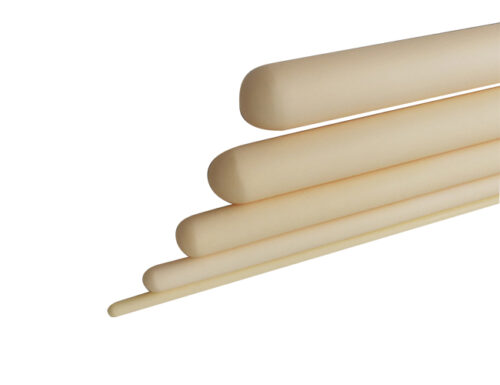
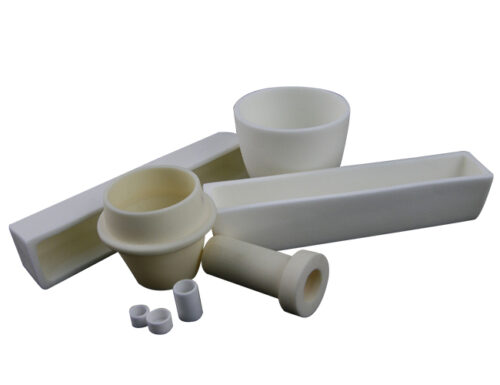
Feature: High purity alumina (Al2O3 content > 99%) ceramics are ideal for high temperature applications. Re-crystallized alumina is used in crucibles as it offers the best thermal shock resistance due to the larger grain size (up to 200m m is advantageous).
-
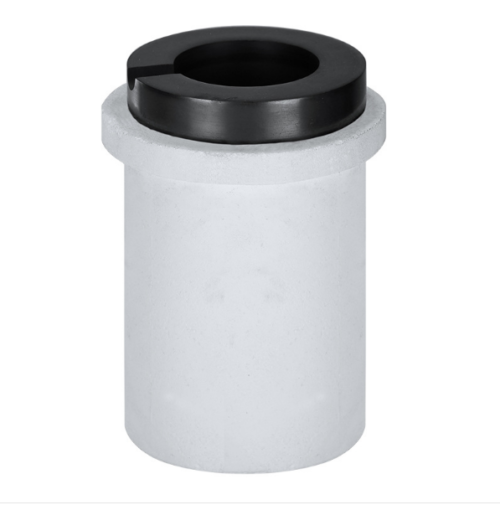
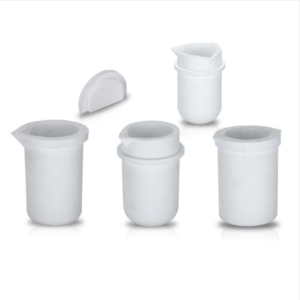
Feature: High purity Fused silica (SiO2 content > 99 .7%) ceramics are ideal for high temperature applications. High purity Fused silica is used in crucibles as it offers the best thermal shock resistance due to High Temperature resistance and pressure resistance
-
Feature: High purity Fused silica (SiO2 content > 99 .7%) ceramics are ideal for high temperature applications. High purity Fused silica is used in crucibles as it offers the best thermal shock resistance due to High Temperature resistance and pressure resistance
-
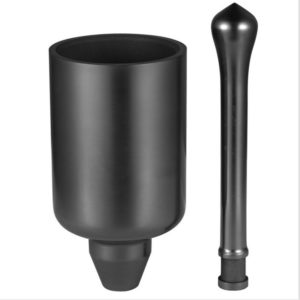
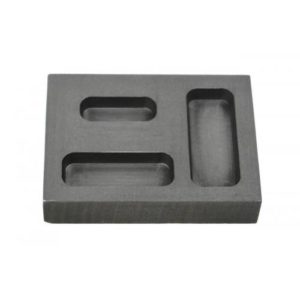
Feature: High purity Graphite ( Fixed carbon content > 99 .98%) are ideal for high temperature applications. High purity Graphite is used in crucibles as it offers the best thermal shock resistance due to High Temperature resistance and pressure resistance , density can reach 1.88-1.90g/cm3
-
Feature: High purity Graphite ( Fixed carbon content > 99 .98%) are ideal for high temperature applications. High purity Graphite is used in crucibles as it offers the best thermal shock resistance due to High Temperature resistance and pressure resistance , density can reach 1.88-1.90g/cm3
-
Feature: High purity alumina (Al2O3 content > 99.7%) ceramics are ideal for high temperature applications. Re-crystallized alumina is used in crucibles as it offers the best thermal shock resistance due to the larger grain size (up to 200m m is advantageous).
-
Feature: High purity Fused silica (SiO2 content > 99 .7%) ceramics are ideal for high temperature applications. High purity Fused silica is used in crucibles as it offers the best thermal shock resistance due to High Temperature resistance and pressure resistance
-
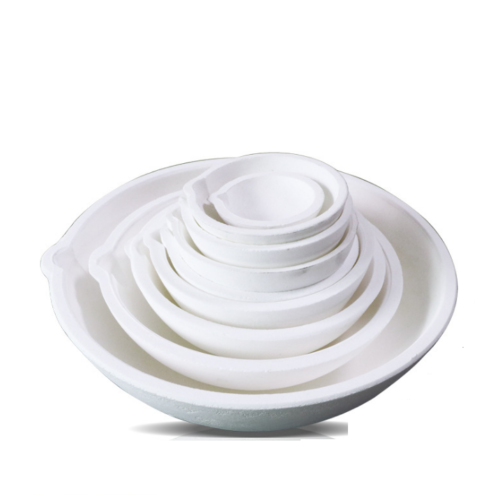
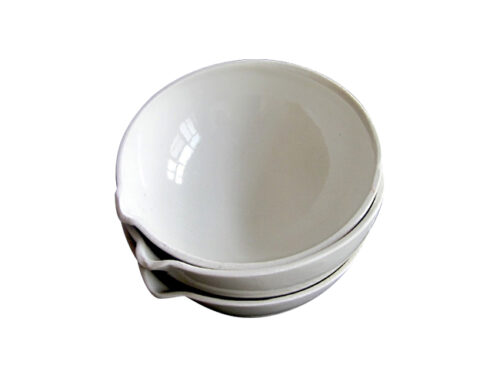
Feature: The materials used with high purity enable products to resist chemical corrosion and withstand sharp change in temperature. Glazed utensils work satisfactorily at temperatures up to 1050℃, and unglazed up to 1350℃.